Speakers

We are proud to present the confirmed speakers for this year’s program. These leading researchers and experts will share their latest insights on the role of the human microbiome in health and disease, offering unique perspectives that span basic science, translational research and clinical applications. Explore the full lineup and discover the thought leaders shaping the future of microbiome research.
Rob Knight
University of California, USA
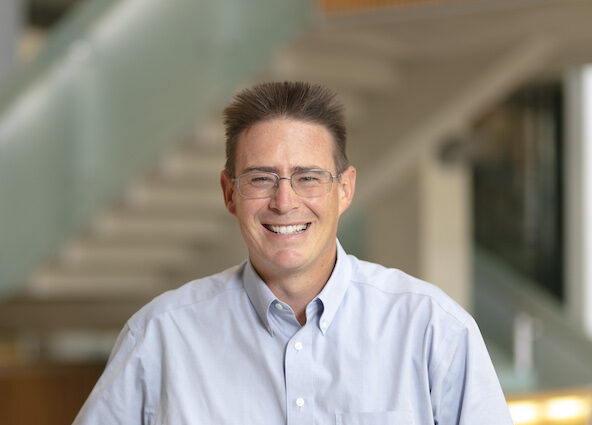
Rob Knight is the founding Director of the Center for Microbiome Innovation and Professor at UC San Diego. A leader in microbiome research, he co-founded the Earth Microbiome Project and American Gut Project, developed widely used tools like QIIME and UniFrac, and has authored over 900 scientific articles. He is a Wolfe Family Endowed Chair, NIH Director’s Pioneer Awardee, and member of the National Academy of Engineering. His books include Follow Your Gut (2015) and Dirt is Good (2017), and his TED talk has been viewed over 2.2 million times.
Sarah Lebeer
University of Antwerp, Belgium
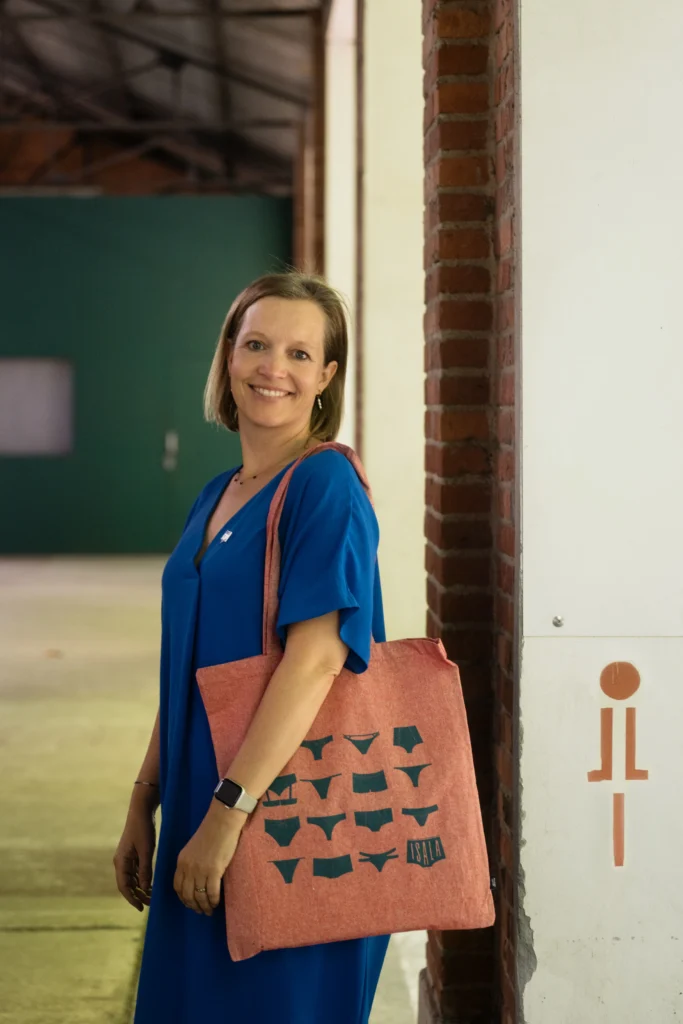
Sarah Lebeer is a professor of microbiology at the University of Antwerp, where sheleads research on host-microbe interactions with a particular focus on lactobacilli and their potential in promoting human health. Her team integrates genomics, ecology and functional microbiology to explore innovative microbiome‑based applications.
Petra Bacher
Kiel University, Germany
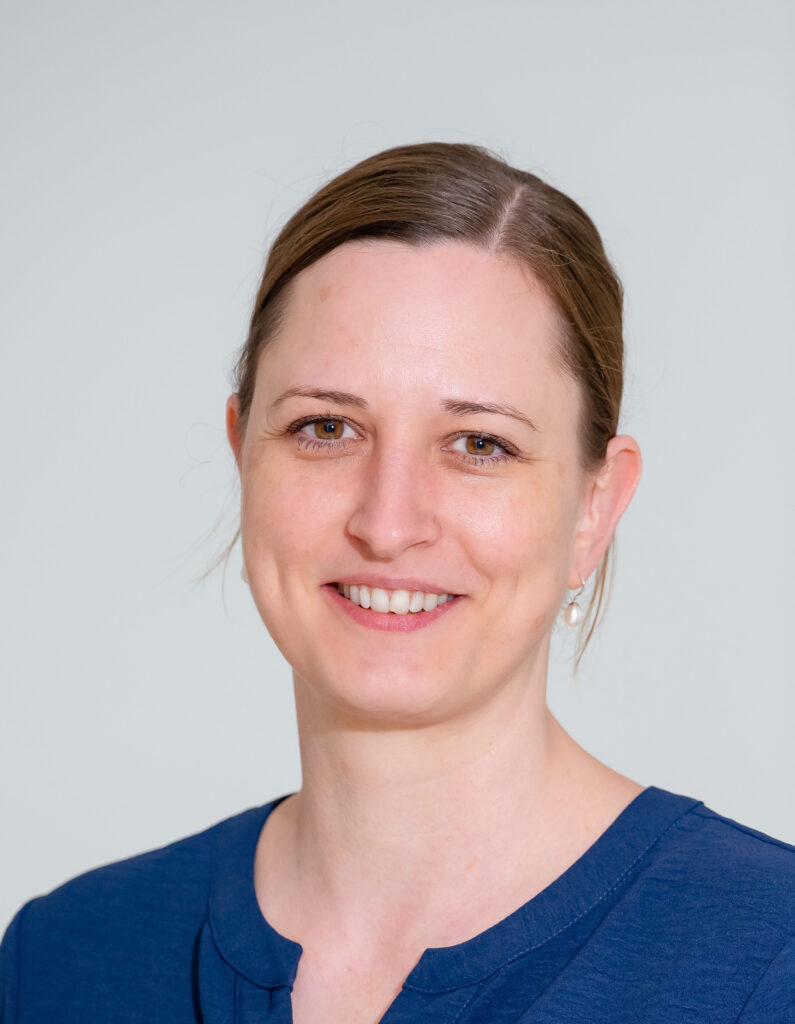
Petra Bacher holds a full professorship for Immunology at Kiel University, Germany. She received her PhD in Immunology from the University Jena in 2014. The Bacher lab has a strong interest in human microbe-specific CD4+ T cell responses and aims at understanding their contribution to chronic inflammation. Our recent work demonstrates that TCR cross-reactivity is a key modulator of microbe-reactive T cell responses in health and disease, and that in particular fungal microbes play an important role in driving inflammatory CD4+ T cell reactivity in patients with inflammatory bowel diseases.
Liza Konnikova
Yale University, USA
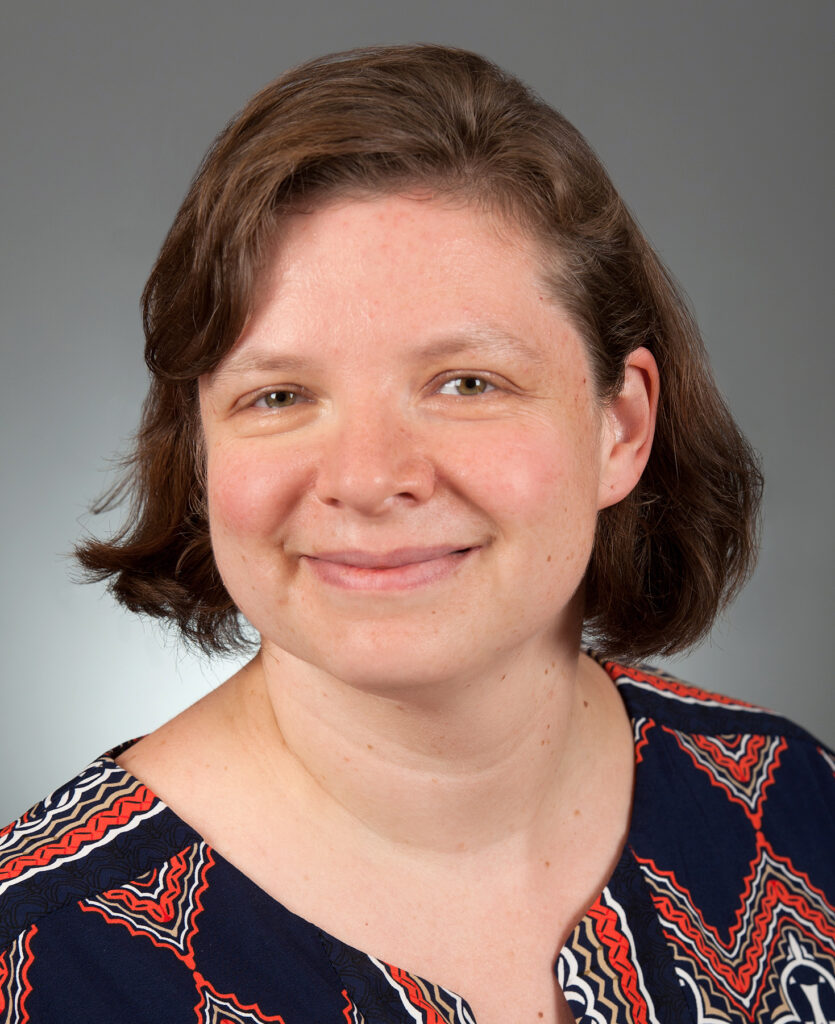
Dr. Konnikova's team focuses on the development of early life immunity particularly at barrier sites such as the GI tract and the maternal-fetal interface with a particular focus on T cell biology. Using multi-omic approaches, the group investigates how mucosal homeostasis is developed and what contributes to pathogenesis of diverse diseases such as sepsis, preterm labor, necrotizing enterocolitis (NEC), very early onset (VEO) and pediatric IBD. The Konnikova lab is further interested in how the microbiome and the associated metabolome regulate immune development and homeostasis at barrier sites. Her group is also interested in how early life events alter circulating immune cells. To this end, in collaboration with the NOuRISH team they are enrolling infants in a longitudinal study of peripheral blood development.
Jonathan Swann
University of Southampton, UK
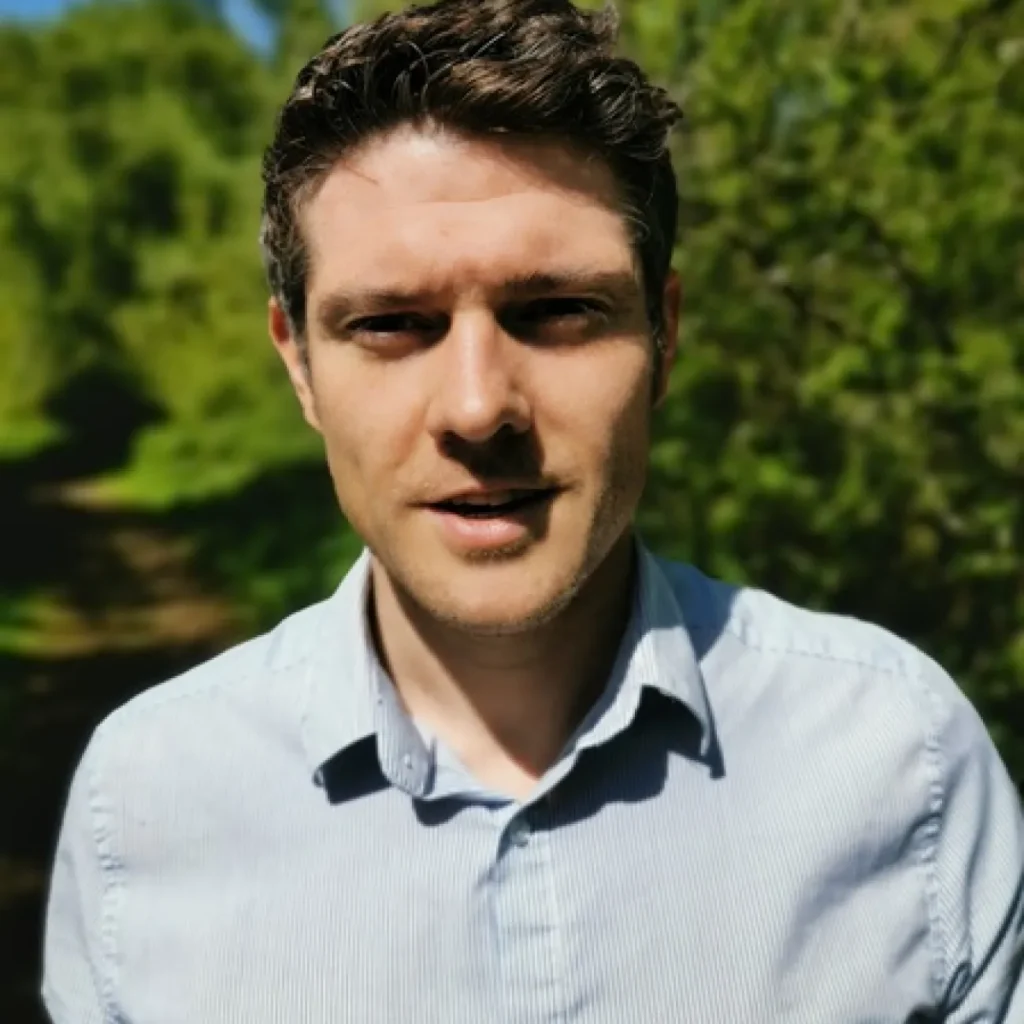
Jonathan Swann is a Professor of Biomolecular Medicine within the School of Human Development and Health in the Faculty of Medicine. He is responsible for leading a metabolomics-based research programme to understand the influence of gene-environment interactions on the mammalian metabolic system and their implications for health and disease. His primary research interests fall under two intersecting research themes:
Role of the gut microbiota (the collection of microbes residing in the gastrointestinal tract) in the mammalian supra-organism and their influence on host health and disease.
Impact of early-life events and exposures on human development particularly microbial-host interplay, metabolism, and phenotypic outcomes.
Guillaume Sarrabayrouse
Université Paris Cité, France
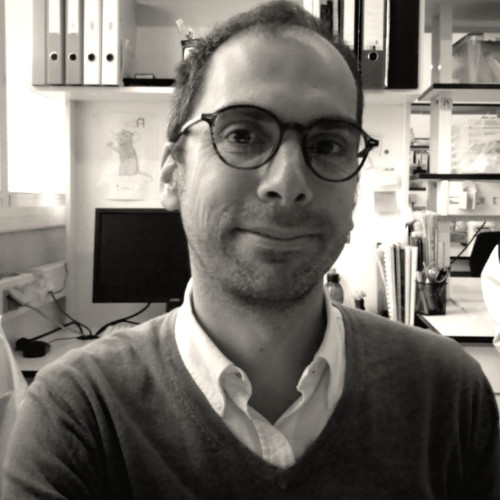
Guillaume Sarrabayrouse is associate professor of Immunology in the Faculty of Pharmacy at Paris Cité University. His work focuses on studying the interactions between the microbiota and the gut mucosal immune system under physiological and pathological conditions, as well as alterations in digestive homeostasis induced by biotherapy treatments.
Amelie Baud
Centre for Genomic Regulation (CRG), Spain
Her lab investigates host/microbiome interactions with a focus on host genetic effects on the gut microbiome and the role of microbial transfers between social partners.
Arnau Vich i Vila
Katholieke Universiteit Leuven, Belgium
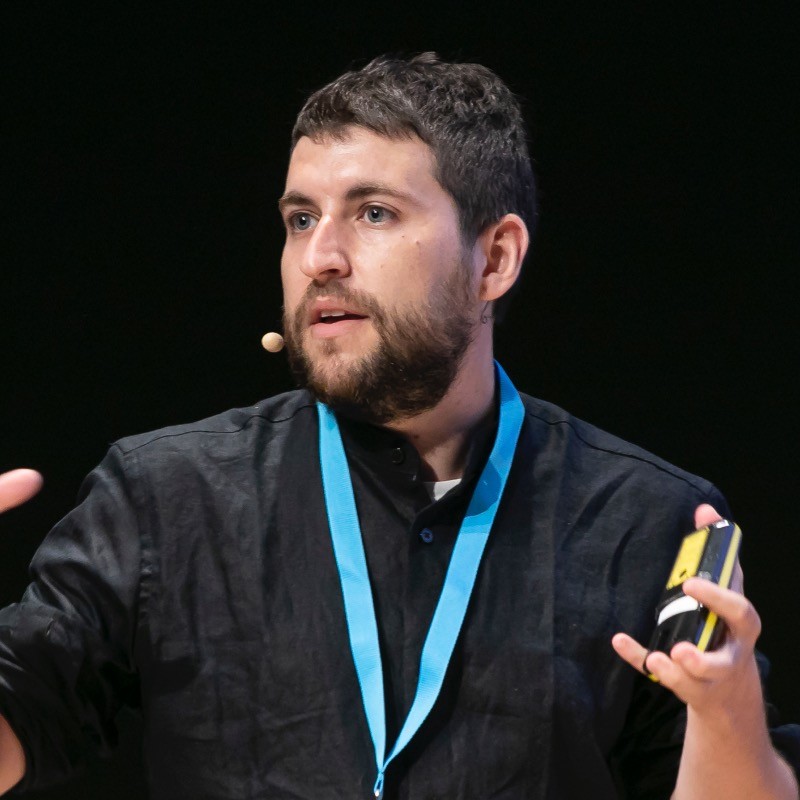
Arnau Vich Vila (PhD) is a computational biologist and postdoctoral researcher at Katholieke Universiteit Leuven (Belgium). He earned a Master’s degree in bioinformatics from the Universitat Autònoma de Barcelona and completed his PhD in Groningen (The Netherlands), where he investigated the gut microbiome and its significance in health and disease, with a particular interest in gastrointestinal diseases such as inflammatory bowel disease (IBD). Arnau has also made significant contributions to comprehending the factors that shape gut microbiota composition, investigating influences from diet and medication through extensive population cohorts such as the LifeLines cohort in the Netherlands and, currently, the Flemish Gut Flora Project in Belgium. Additionally, his current scientific interests involve exploring the role of the gut microbiota in food intolerances and delving into the metabolic implications of the small intestinal microbiota.
Speakers