About

The Barcelona Debates on the Human Microbiome celebrates its 12th edition this year, reaffirming its position as a leading international forum dedicated to advancing our understanding of the human microbiome.

For more than a decade, the congress has brought together world‑class experts and a diverse global audience to explore the intricate interactions between human cells and the microorganisms that inhabit the human body.

Through keynote lectures, focused sessions, and open discussion, the congress fosters meaningful dialogue and collaboration among researchers, clinicians, and industry leaders worldwide. The Barcelona Debates on the Human Microbiome aims not only to disseminate knowledge, but also to inspire new ideas, partnerships, and directions that will drive progress in microbiome research in the years to come.

Scientific Committee

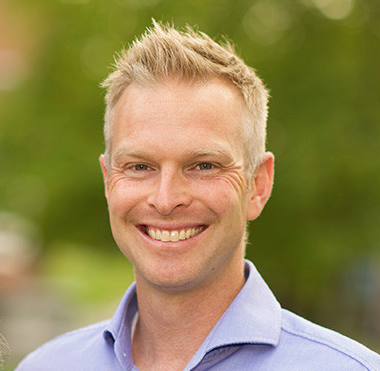
Adam Burgener

Adam Burgener

Center for Global Health and Diseases at Case Western Reserve University, United States.

Adam Burgener is a Professor at the Center for Global Health and Diseases at Case Western Reserve University. His research focuses on understanding host and microbial mechanisms involved in mucosal immunity and disease susceptibility. His laboratory has developed mass spectrometry–based systems biology approaches to study mucosal barriers, which play a key role in host responses to HIV. He currently leads two Team Grants funded by the Canadian Institutes of Health Research to study the microbiome in HIV transmission, prevention, and cervical cancer progression, and co-leads several NIH-funded studies on HIV transmission and pathogenesis.
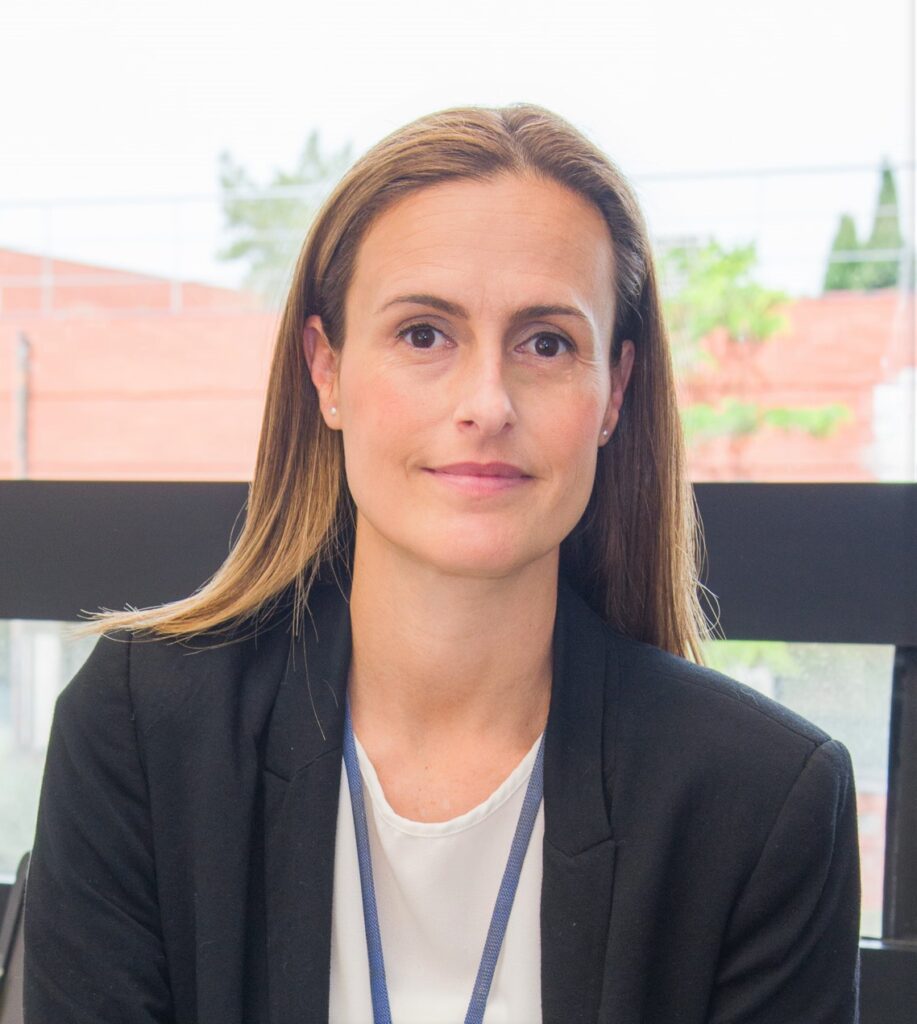
Carmen Collado

Carmen Collado

Institut d'Agroquimica i Tecnologia d'Aliments (IATA) -Consell Superior d'Investigacions Científiques (CSIC), Spain.

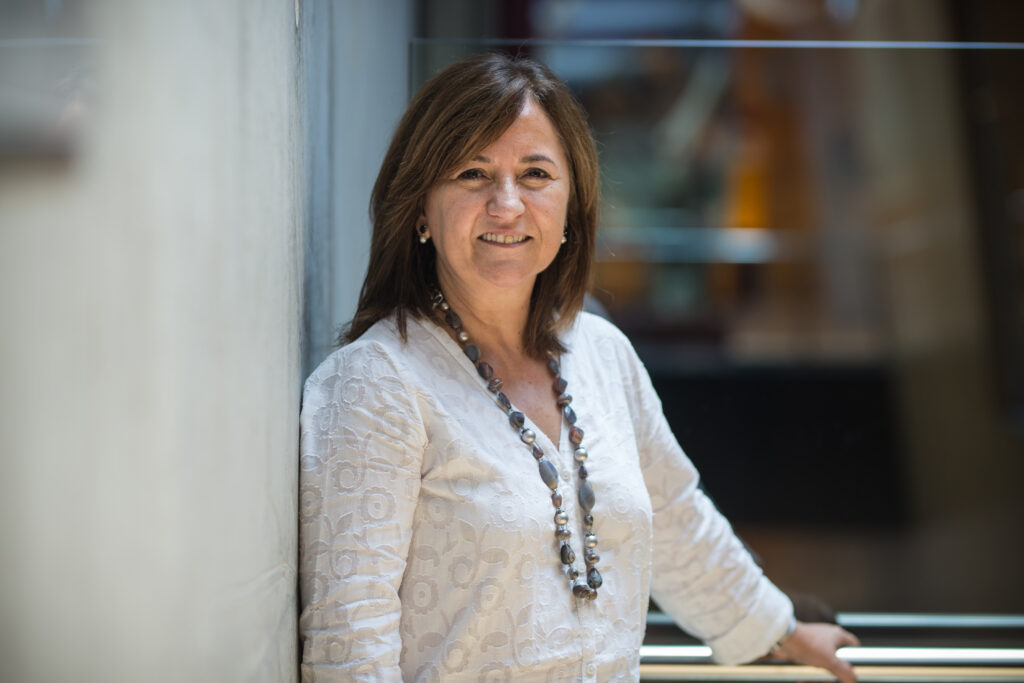
Maria Carmen Collado is an Agricultural Engineer (2000) and holds a degree in Food Science and Technology (2002) from the Polytechnic University of Valencia (UPV). She obtained her Ph.D. from the UPV in 2005 and received the Extraordinary Doctorate Award. Her postdoctoral training was carried out at the Functional Food Forum, University of Turku (2005–2007), and at the Complutense University of Madrid (2007). She is currently a Scientific Researcher at CSIC in the Lactic Acid Bacteria and Probiotics Group at IATA-CSIC and has been an Adjunct Professor at the University of Turku since 2007. Her research focuses on the relationships between human microbiota, nutrition, and health, particularly in the maternal–infant dyad, and on host–microbiota interactions and influencing factors such as nutrition and antibiotics.

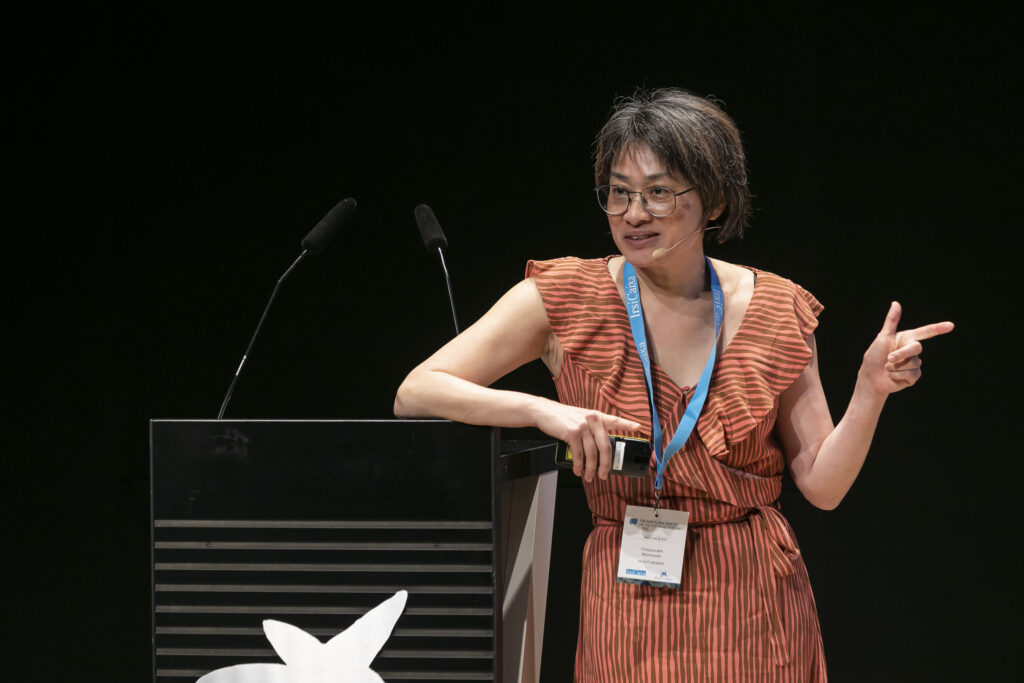
Chaysavanh Manichanh

Chaysavanh Manichanh

Vall d’Hebron Research Institute (VHIR), Spain.

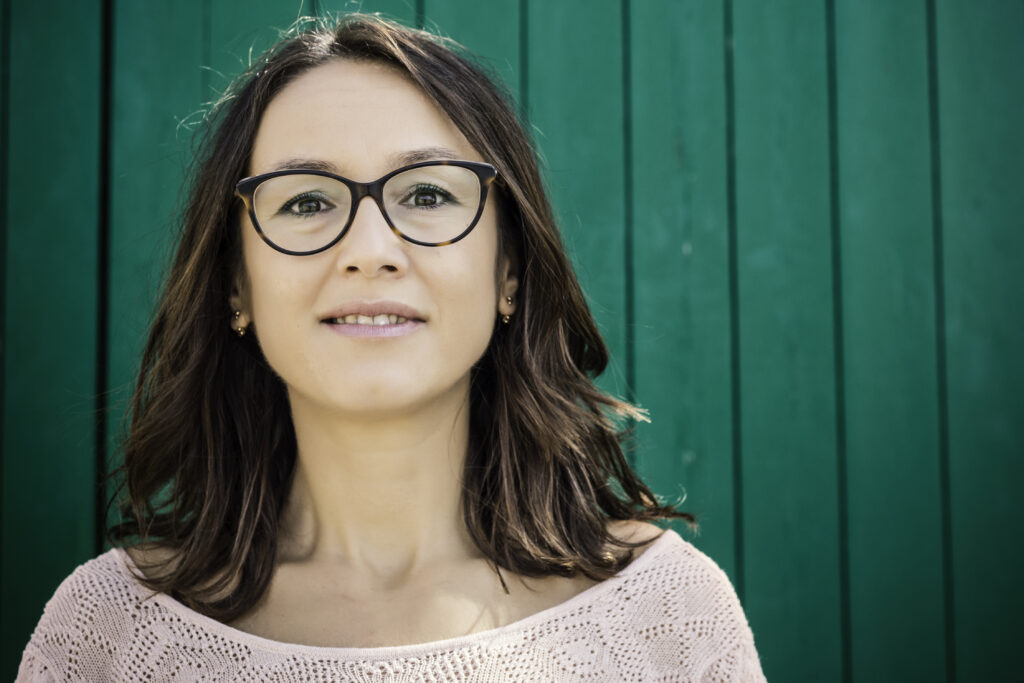
Since 2002, Dr. Chaysavanh Manichanh is using meta-omic approaches to study the human microbiome associated with disorders. In 2006, Chaysavanh joined the VHIR institute in Barcelona as principal investigator to pursue her line of research on Human Microbiome. She has collaborated with the MetaHIT and the IHMS consortia to build a comprehensive gene catalogue from the human gut microbiome and to develop standard operating procedures (SOPs) and protocols in order to optimize data comparisons in the human microbiome field. With this experience and her double expertise in molecular microbiology (PhD University Paris VI, 2001) and in bioinformatics (Degree at Pasteur Institute, Paris 2000), she is leading at VHIR a multidisciplinary research group to develop molecular, cellular as well as bioinformatics tools to understand the role of the microbiome in human health and disease.

Clàudia Arajol

Clàudia Arajol

Hospital Universitari de Bellvitge, L'Hospitalet de Llobregat, Spain

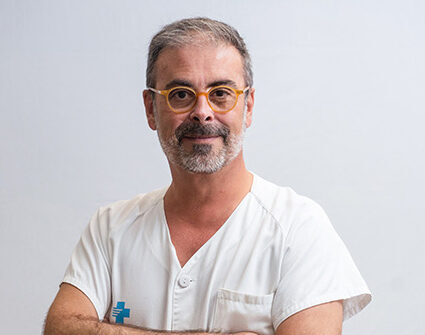
Clàudia Arajol is a specialist physician of the Digestive System Service and the Inflammatory Intestinal Disease Unit at Hospital Universitari de Bellvitge, Hospitalet de Llobregat, Spain.

José Manuel Fernández-Real

José Manuel Fernández-Real

Institut d’Investigació Biomèdica de Girona (IdIBGi) – Hospital Universitari de Girona Dr. Josep Trueta, Spain.

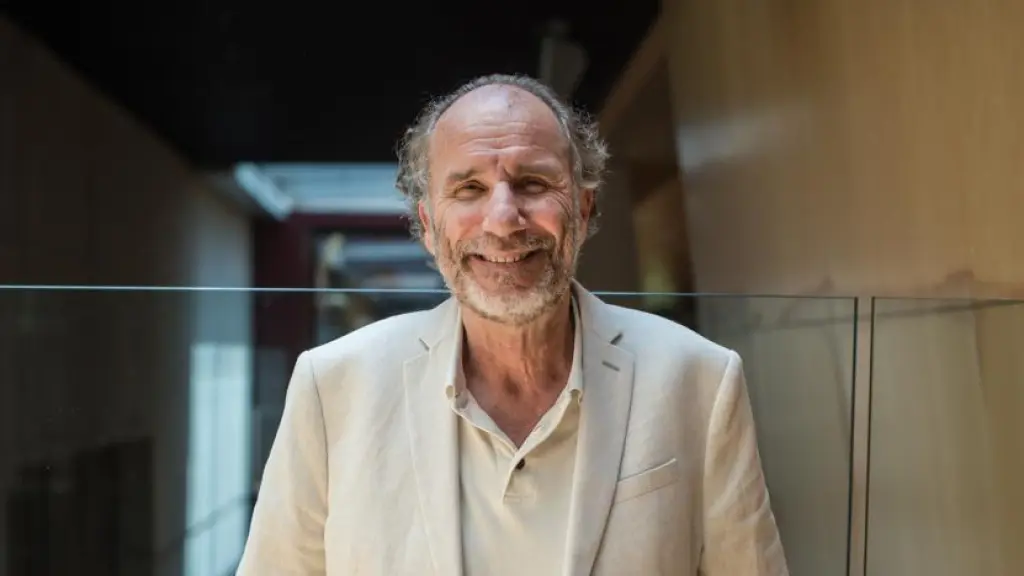
Dr. Fernández-Real obtained his M.D. and Ph.D. from the University of Barcelona, Spain. His research focuses on chronic inflammation, iron metabolism, insulin resistance, and their role in type 2 diabetes, obesity, and metabolic syndrome. He was among the first to propose chronic low-grade inflammation and iron stores as key components in these conditions. He has published 389 PubMed-indexed articles and has been Principal Investigator of more than 20 national and international competitive projects since 1993. His work also addresses the interplay between microbiota and metabolic disorders. He has been an invited speaker at major international conferences, including meetings of the American Diabetes Association, Endocrine Society, and American Society of Nutrition. He is currently Associate Professor at the University of Girona, Director of Research in Endocrinology, Scientific Director of the national “Fat Bank” biobank, and Principal Investigator and Steering Committee member of CIBERobn.

M. Luz Calle

M. Luz Calle

Universitat de Vic, Spain.

Malu Calle is the Dean of the Faculty of Sciences, Technology and Engineering, University of Vic – Central University of Catalonia. She is Full Professor of Biostatistics and Bioinformatics and group leader of the Bionformatics and Bioimaging research group (Bi-squared group) of the University of Vic. Her main research areas are statistical genetics, omics data analysis, microbiome data analysis and survival analysis. She works on the development of new methods for biomarker discovery, identification of genetic risk profiles and construction of dynamic prediction and prognostic models of disease evolution. Her contributions include innovative approaches for integration of multi-omics data and compositional data analysis in metagenomics. She was formerly Head of the Biosciences Department (2018-2022), chair of the Master of Sciences in Omics Data Analysis (2012-2020), President and Vicepresident of the Spanish Region of the International Biometrics Society (2012-2013 and 2014, respectively).

Margarita Martínez

Margarita Martínez

Universitat de Girona, Spain.

She is Professor of Microbiology at the University of Girona (Department of Biology) and Principal Investigator of the ‘Microbiology of the Intestinal Disease’ research group. Her research focuses on the human gut microbiota in disease, aiming to identify new diagnostic and prognostic tools and potential targets for future treatments. She has paid particular attention to the pathogenic role of E. coli populations in Crohn’s disease, investigating how these bacteria contribute to disease onset and progression, and how they might inform therapeutic strategies.

Mireia Vallès-Colomer

Mireia Vallès-Colomer

Universitat Pompeu Fabra, Spain.

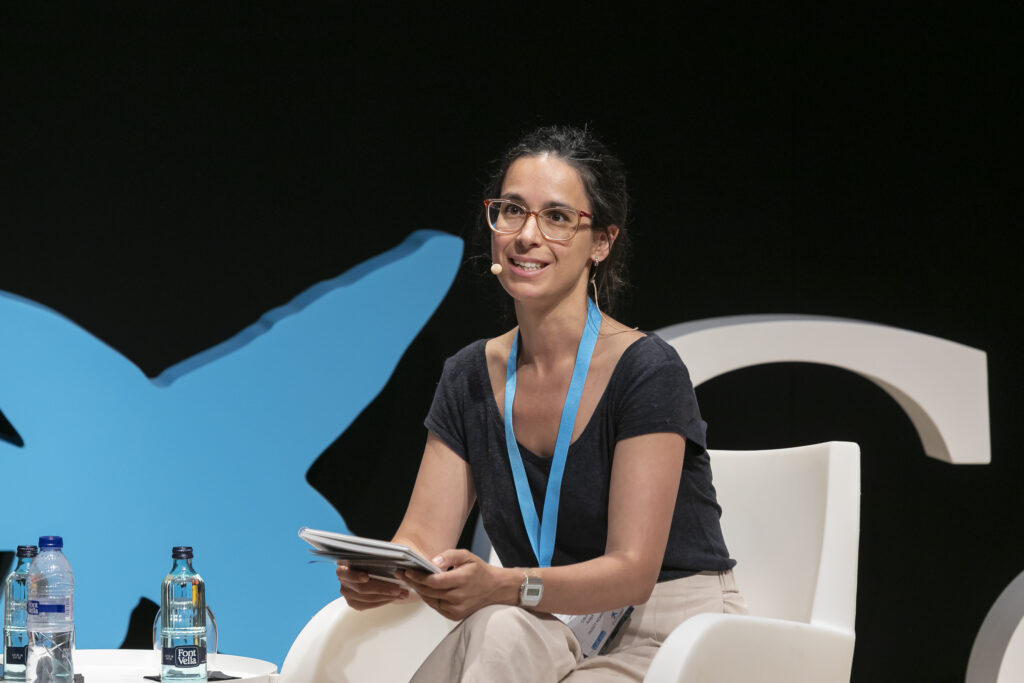
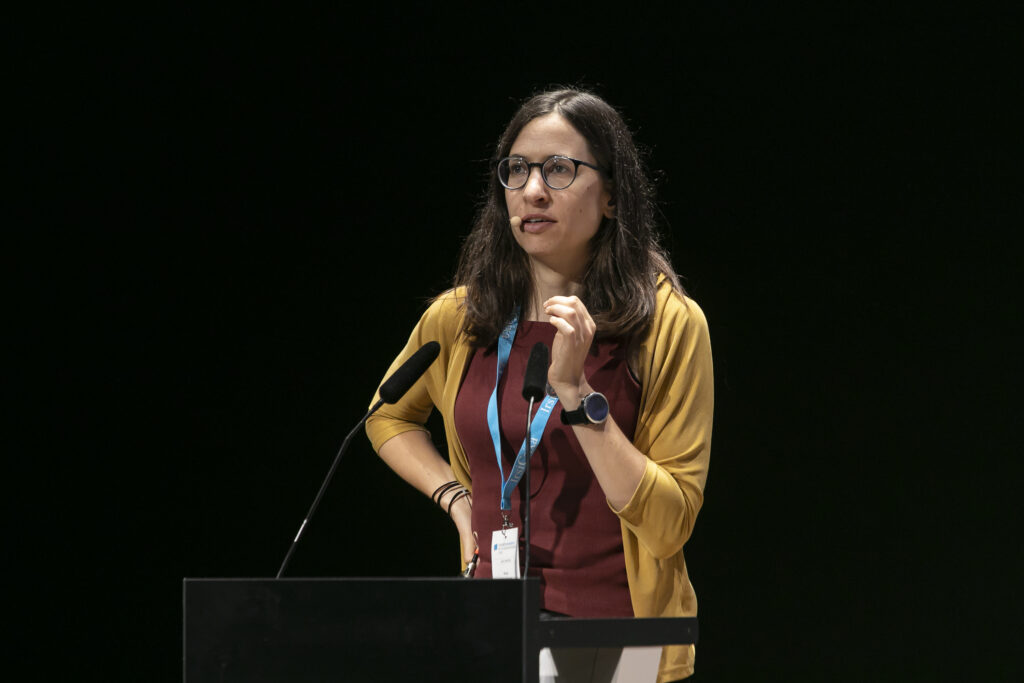
Dr. Mireia Vallès-Colomer has a background in Microbiology and Computational Biology (Autonomous University of Barcelona and Free University of Brussels). After her Ph.D. at the University of Leuven, she joined the Computational Metagenomics Lab at the University of Trento as an EMBO postdoctoral researcher. Next September, she will lead the Microbiome Research Group at Pompeu Fabra University. Her research focuses on the human microbiome in mental health and microbiome transmission between individuals. She developed tools to study microbial production of neuroactive compounds and performed the first population-level study linking gut microbiome to anxiety and depression (Nat. Microbiology 2019), recognized in Nature Milestones and F1000Prime. Her work on gut and oral microbiome transmission was published in 2022–2023 (Nat. Microbiology; Nature).

Stanislav Dusko Ehrlich

Stanislav Dusko Ehrlich

Institut Nationalde la Recherche Agronomique (INRAE), France.

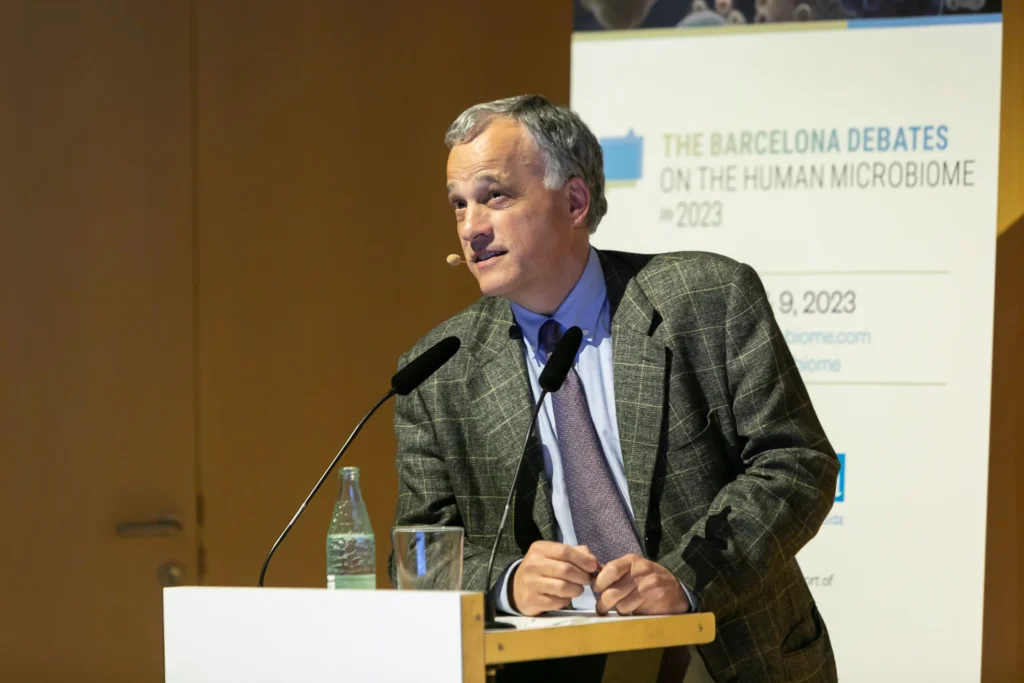
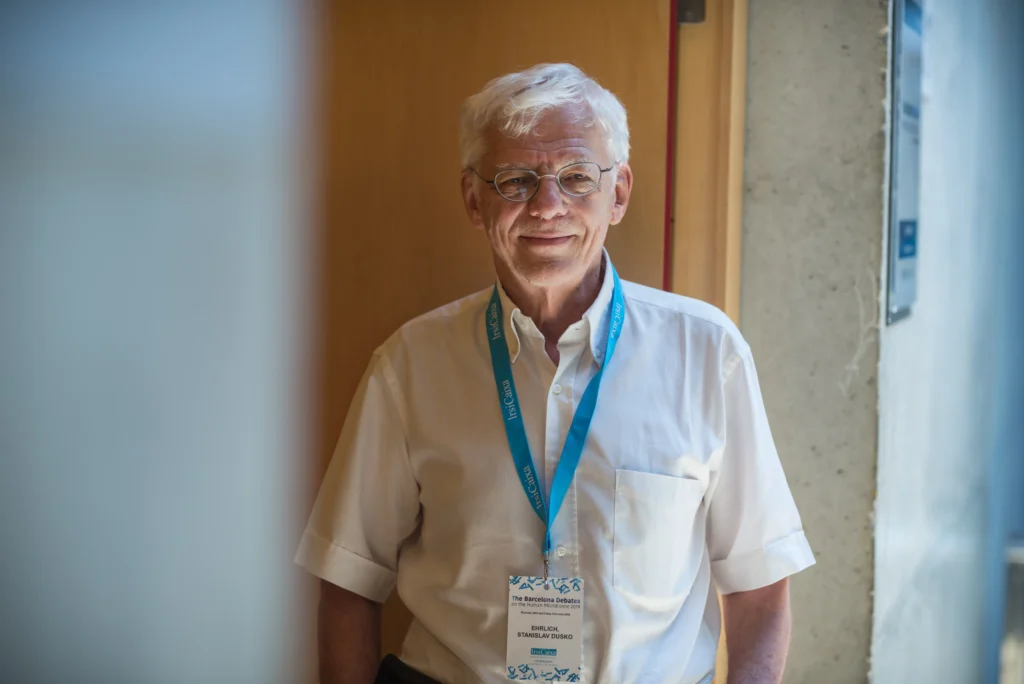
Stanislav Dusko Ehrlich trained in Organic Chemistry at the University of Zagreb and earned his Ph.D. in Biochemistry at University Paris VII. He was a research associate of Nobel laureate Joshua Lederberg at Stanford University. He founded and directed the Microbial Genetics Research Unit and Microbiology Division at INRA, coordinated the EU MetaHIT project, and led the Metagenopolis project. He has authored 420+ publications, 60 book chapters, 14 patents, and holds an H-index of 89. He is a member of multiple academies including the Croatian Academy of Sciences and Arts and EMBO, and has received numerous awards including the INRA Excellence Award, Grand Prix Del Duca, and the Légion d’Honneur. He is Honorary Research Associate at University College London.

Coordinators

Roger Paredes

Roger Paredes

IrsiCaixa, Hospital Universitari Germans Trias i Pujol (HUGTiP), Spain.

Roger Paredes, MD, PhD, is the Head of the Infectious Diseases Service at Hospital Universitari Germans Trias i Pujol, Head of the Microbial Genomics Group at the IrsiCaixa AIDS Research Institute, Badalona, Spain.

Roger Paredes obtained an MD, PhD degree in Medicine and Surgery from the Autonomous University of Barcelona (UAB). He specialised in HIV resistance at the Brigham & Women’s Hospital in Boston and Harvard Medical School. His team has demonstrated the clinical utility of HIV-1 deep sequencing in both high- and low-income countries.

Francisco Guarner

Francisco Guarner

Teknon Medical Centre, Spain.

Consultant of Gastroenterology, Teknon Medical Centre Barcelona. International Human Microbiome Consortium Steering Committee Member. President of the Probiotics and Prebiotics Spanish Society Board. World Gastroenterology Organization.

Bonaventura Clotet

Bonaventura Clotet

IrsiCaixa, Hospital Universitari Germans Trias i Pujol (HUGTiP), Spain.

Dr. Clotet received his MD (1976) and PhD (1981) from the Autonomous University of Barcelona, with a thesis on autoimmune diseases. His internship coincided with Spain’s first AIDS case, inspiring a career in HIV research. He led the HIV Unit at Germans Trias i Pujol University Hospital (1987–2015) and founded the Fight Infections Foundation (formerly Fight against AIDS). In 1995, he established the IrsiCaixa AIDS Research Institute, which he still directs. He is clinical director of Infectious Diseases at Metropolitana Nord, advisor to IrsiCaixa spin-offs, and director of the Chair of AIDS and Related Diseases at UVic. He has published over 1,000 papers and received multiple awards, including the Josep Trueta Medal and Premi Nacional de Recerca.

Organizer & Technical Secretariat

What they say about us

This was my first time attending this conference and I am very grateful for the opportunity to learn about the work of leading researchers in the field of the microbiota and the gut–brain axis, and to meet them in person. The experience has been incredibly valuable for my own research, and I will most likely attend again next year.
Anna Castells Nobau
Girona Biomedical Research Institute
One of the best aspects of The Barcelona Debates on the Human Microbiome was the incredible mix of speakers from different backgrounds—everyone could take away something directly useful for their own work.
Attendee from 2025 edition
Bioinformatician
See you soon!
Registration opens in February 2026